
A Persian rug usually needs a professional wash when the pile feels gritty at the base, the colors have gone flat, an odor returns in humid weather, or you can see thinning, shedding, or a hard-edged stain. These are signs soil and moisture have reached the foundation, where home cleaning cannot go.
A good Persian rug is built to last generations, but only if the dirt that works into it gets washed out on a sensible schedule. The hard part is that the rug hides its condition well. The pile can look presentable from standing height while the foundation is packed with grit and the dyes are slowly dulling. After washing these rugs at our San Diego workshop since 1956, we have learned to read the early signs, and here are the seven worth knowing.
1. The base of the pile feels gritty
Press your fingers down into the pile and rub. If you feel sand or grit down at the foundation, the rug is overdue. That grit is the real enemy of a hand knotted rug. Every step grinds those hard particles against the wool fibers at their most vulnerable point, cutting them like tiny blades. Vacuuming lifts only the loose surface dirt and never reaches the grit locked in the base, which is why a rug can look clean and still be wearing itself out from the inside.
2. The colors look flat or grayed
Persian rugs are dyed to glow, and a slow, even dullness across the whole rug usually means a film of fine soil has settled over the pile. It is easy to miss because it happens gradually. A quick test is to fold the pile back and compare the color deep at the base of the knots against the tips. If the base looks noticeably richer, that brighter tone is what a proper wash brings back to the surface.
3. An odor comes back when the weather turns humid
A smell that fades in dry weather and returns on a damp coastal morning is a clear sign of trapped moisture and organic soil in the foundation, and it very often points to old pet accidents. Surface deodorizers only mask it. The salts left behind by pet urine pull moisture from the air and reactivate the smell every time the humidity climbs, and only a full wash that flushes the foundation clears it for good.
4. You see thinning or a change in the pile
Run your eye across the rug at a low angle in good light. Areas that look thinner, shorter, or shinier than the rest are wear paths where the pile is breaking down, usually because embedded grit has been cutting the fibers. Caught at the wash stage this is often just cleaning. Left too long it moves into repair and reweaving territory, which is more involved and more costly than a timely wash.
5. The rug sheds more than it used to
A little shedding is normal in a newer wool rug. A noticeable increase in loose fiber, especially in an older rug, can mean dry, brittle wool or a weakening foundation. A gentle wash restores moisture balance to the fibers, and the evaluation that comes with it tells you whether the shedding is harmless or an early warning about the foundation.
6. There is a stain with a hard edge
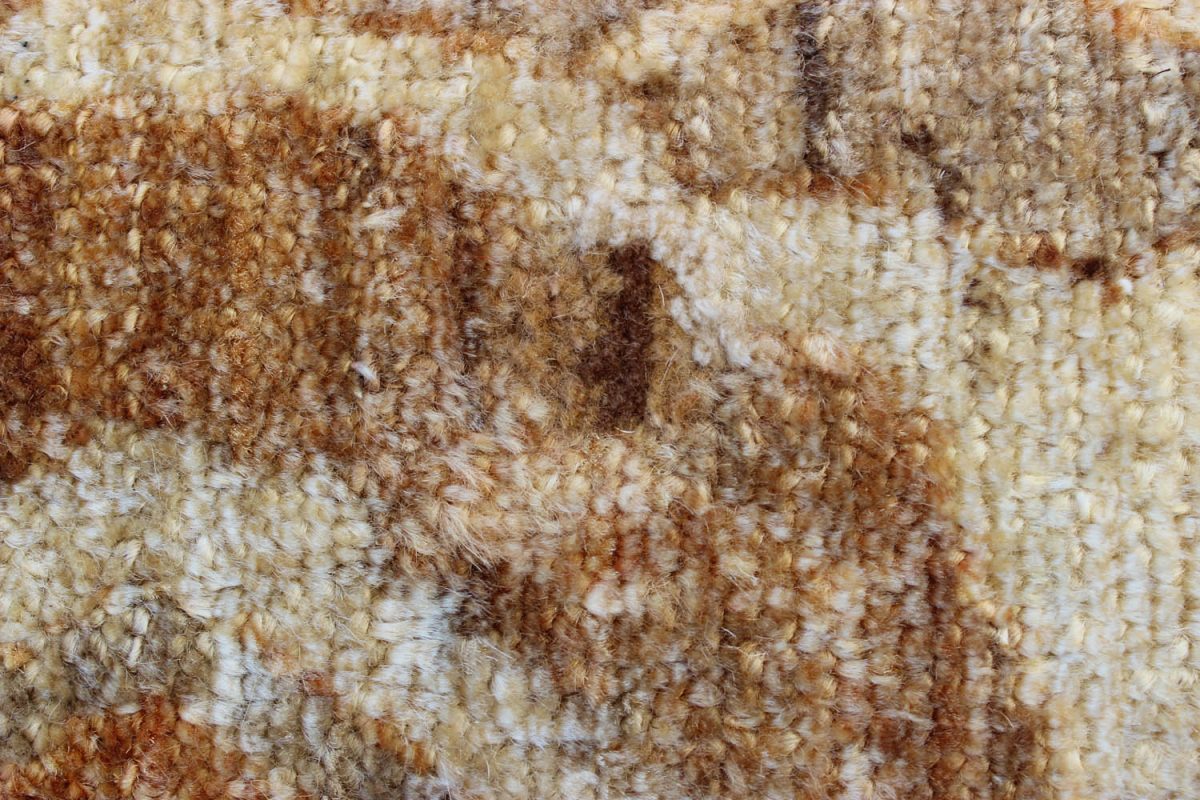
A soft, fresh spill is one thing. A stain with a dark, hard ring around it has oxidized and set, and no home remedy is going to lift it cleanly. Coffee, wine, plant water, and pet accidents all leave these hard-edged marks. Home scrubbing usually spreads the ring and drives it deeper. These respond best to a controlled wash where the whole rug is treated evenly, not a spot attacked in isolation.
7. It has simply been years
Even a rug that passes every check above benefits from a wash every few years, more often in a busy household or near the coast. Regular Persian rug cleaning is preventive. It clears the grit before it can cut the wool and resets the moisture in the fibers before the coastal damp can invite moths. Waiting until a rug looks dirty means waiting until the damage is already underway.
What the wash actually does about each sign
The seven signs are worth knowing because each one maps to a specific stage of a proper wash, which is also how you can tell whether a shop actually addressed them.
Grit at the base is the dusting stage’s whole reason for existing. Before water touches the rug, it goes through dry soil removal that vibrates the trapped sand and grit out of the foundation. Skip it, or surface clean the rug at home, and that grinding layer stays right where it was doing damage.
Color, odor, and what reverses them
Flat, grayed color is what the full immersion rinse reverses. Once the film of fine soil is off the pile and out of the base, the original dye colors are simply visible again. No brightener involved, nothing added. The glow people notice when a Persian rug comes back from a real wash is subtraction, not paint.
The humid weather odor is dissolved and flushed rather than masked. Odor that returns with the marine layer lives in deposits down in the foundation, and only extended water contact takes those out. A deodorizer spray hides the signal while the source keeps working.
The signs the wash alone cannot fix
Thinning pile and heavy shedding sometimes point past cleaning to repair. If the foundation shows through in traffic lanes, a wash makes the rug clean but not thicker. What the wash floor does provide is a precise picture of the damage once the soil is out, which is why repair work is evaluated after washing, when the true condition is visible. Hard edged stains are the same story. Some dissolve entirely, some are permanent dye damage, and an honest shop tells you which before you spend anything.
How often a Persian rug here really needs this
There is no single interval, and anyone quoting one without asking questions is reciting a schedule, not reading your rug. The honest answer depends on traffic, pets, and where in San Diego the rug lives.
A formal room rug that rarely sees shoes can go a long stretch between washes and show none of the seven signs. The same rug in a beach house entry with a dog will show three of them within a couple of years. Coastal homes tilt the schedule earlier, since salt air and marine layer damp add their own load. Inland homes trade that for fine dry dust that sifts deep into the pile.
The practical method beats any calendar: check for the signs twice a year. The fingertip grit test, the fold back color comparison, and a sniff on a humid morning take five minutes altogether. The rug tells you when it is time, and our post on cleaning frequency goes deeper on reading it.
Stretching the time between washes
Between professional washes, a few habits genuinely slow the clock, and our guide to how to wash a Persian rug the right way walks through the safe way.
- Rotate the rug end for end once or twice a year, so traffic and sunlight spread their wear instead of concentrating it.
- Vacuum with suction only, in the direction of the pile, and skip the fringe entirely. Beater bars tear Persian knots and shred fringe faster than any amount of foot traffic.
- Use a proper rug pad. It stops the grinding between rug and floor that accelerates foundation wear, and it keeps the rug from creeping.
- Blot spills the minute they happen. Anything that reaches the foundation wet becomes a future sign number three.
- Give the back of the rug an occasional look, especially under furniture. Moth activity in an undisturbed corner announces itself there first.
None of this replaces washing. Grit still accumulates and the base still loads up with what vacuums cannot reach. But a rug maintained this way arrives at its wash day in better shape, needs less intensive work when it gets there, and spends more of its long life looking the way its weaver intended. For a rug built to outlive its owners, which a good Persian piece is, that is the whole game.
The three beliefs that cost owners the most
The signs are easy to check. What stops people is usually one of three comfortable beliefs.
It looks clean is the expensive one. A Persian rug is engineered to hide soil; that is part of why the patterns are busy and the colors deep. By the time a well made rug actually looks dirty from standing height, the foundation has been loaded for years. Looking clean and being clean are separated by exactly the depth a vacuum cannot reach.
The half truths
I vacuum it every week is the half truth. Vacuuming is genuinely good care and removes the loose surface fraction before it migrates downward. It also never touches what is already at the base. The two jobs complement each other; neither replaces the other.
It has lasted this long is the gambler’s version. Wool is forgiving, and a neglected Persian rug often presents fine right up until the wear becomes visible, at which point the missing pile is gone for good. Washing preserves what is there. It does not restore what grit already cut away, and that asymmetry is the entire argument for acting on the early signs rather than the late ones.
From signs to wash day
When the checks say it is time, the process from your side is short. The rug is evaluated at the workshop, you get a written scope of what it needs before anything happens, and the wash itself runs through dusting, immersion, controlled drying, and grooming over the following days. Drop the rug at our Kearny Mesa facility or call to arrange collection, whichever suits. What you get back is the rug you have, minus everything the seven signs were warning you about, which for a well made Persian piece is usually a startling difference.
One habit ties all seven signs together: treat the rug as something you check, not something you notice. Persian rugs fail quietly by design, and every sign on this list is loud only once you know to look for it. The owners whose rugs last a century are not lucky. They are the ones doing the five minute check while everyone else waits for the rug to complain.
Common questions
For most homes, every few years, and more often in a high-traffic household or close to the coast. The schedule is about clearing embedded grit before it cuts the wool, not about how dirty the rug looks, since the damage is usually invisible from the top.
Vacuuming is good maintenance for surface dirt, but it cannot reach the grit and soil packed into the foundation, which is what actually wears the rug. Regular vacuuming and periodic professional washing do two different jobs.
A proper hand wash does the opposite. It lifts the dull film of soil and brings the true colors back. Fading comes from sun, harsh chemistry, and heat, which is why we dye test first and wash gently with natural soaps.
Often it can be reduced or removed, but only through a controlled full wash, not home spot cleaning. Scrubbing a set stain at home usually spreads it and pushes it deeper. Bring it in and we will tell you honestly what to expect.
That is the signature of old pet urine or trapped moisture in the foundation. The salts left behind draw water from humid air and reactivate the odor. A full wash that flushes the base is the only lasting fix.
If your Persian rug is showing any of these signs, it is worth a look before the wear sets in. Request a free estimate and we will evaluate it, tell you what it needs, and wash it by hand at our San Diego workshop, with pickup and delivery.
