Persian Rug Repair in San Diego, Knot by Knot Since 1956
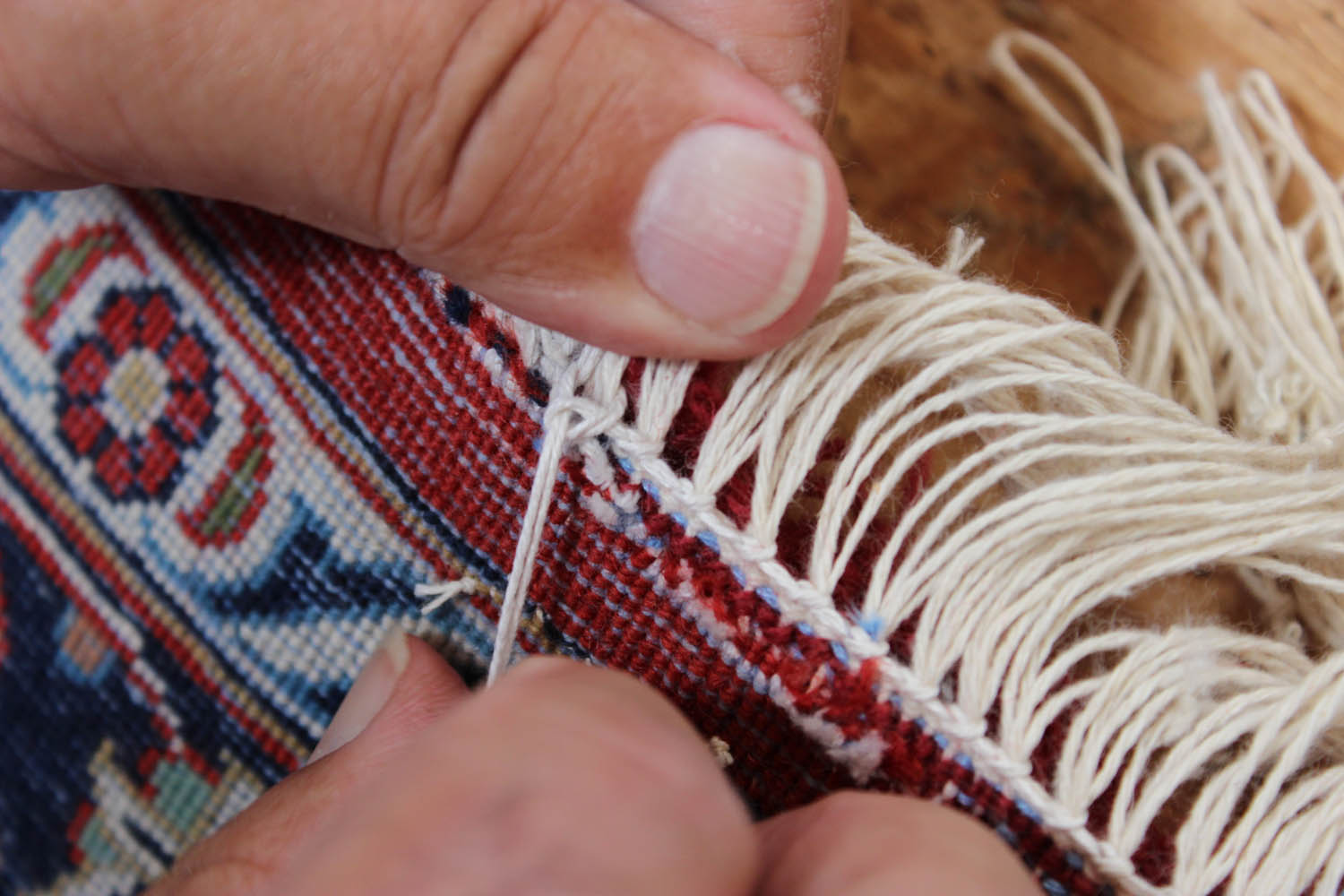
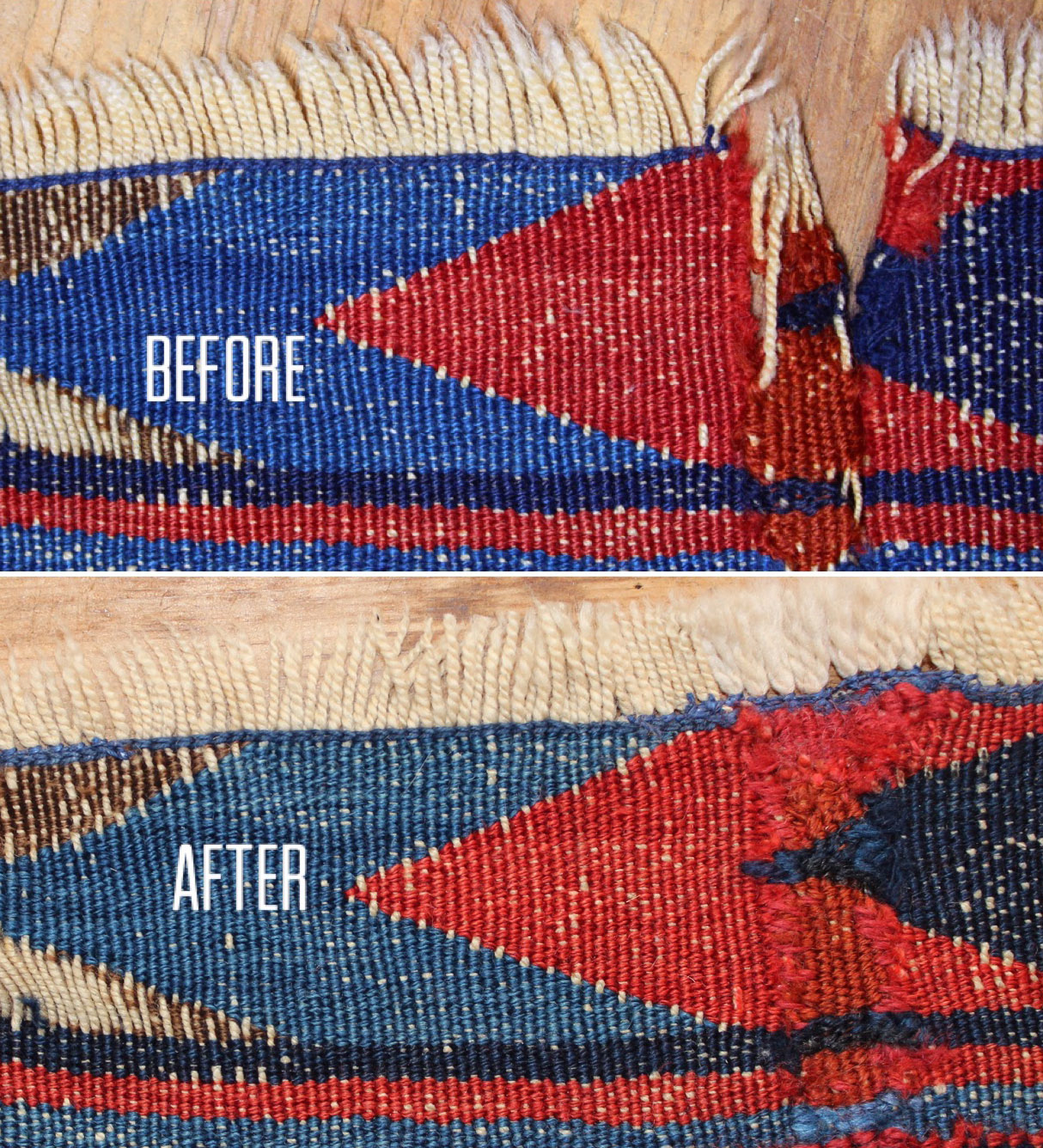
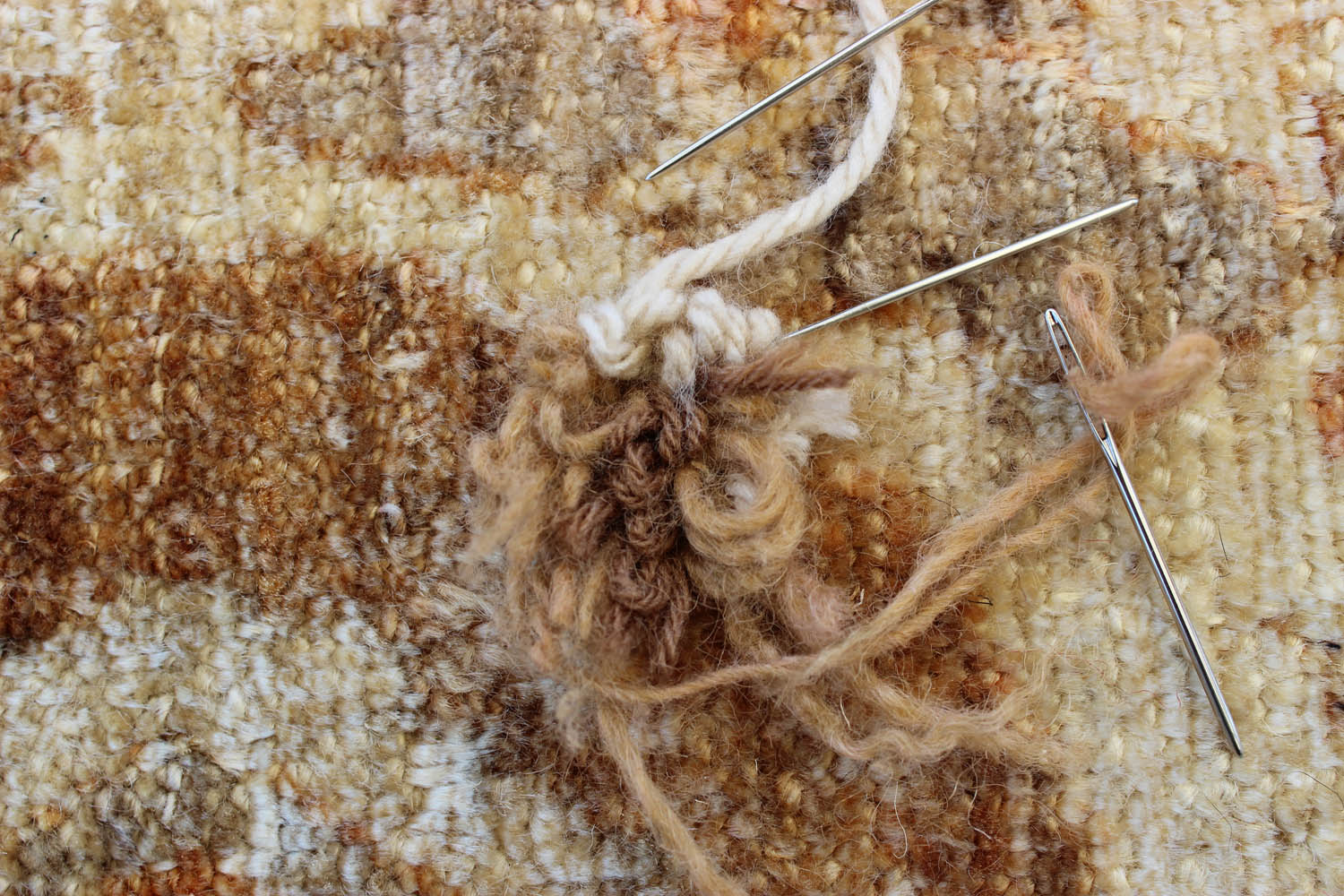
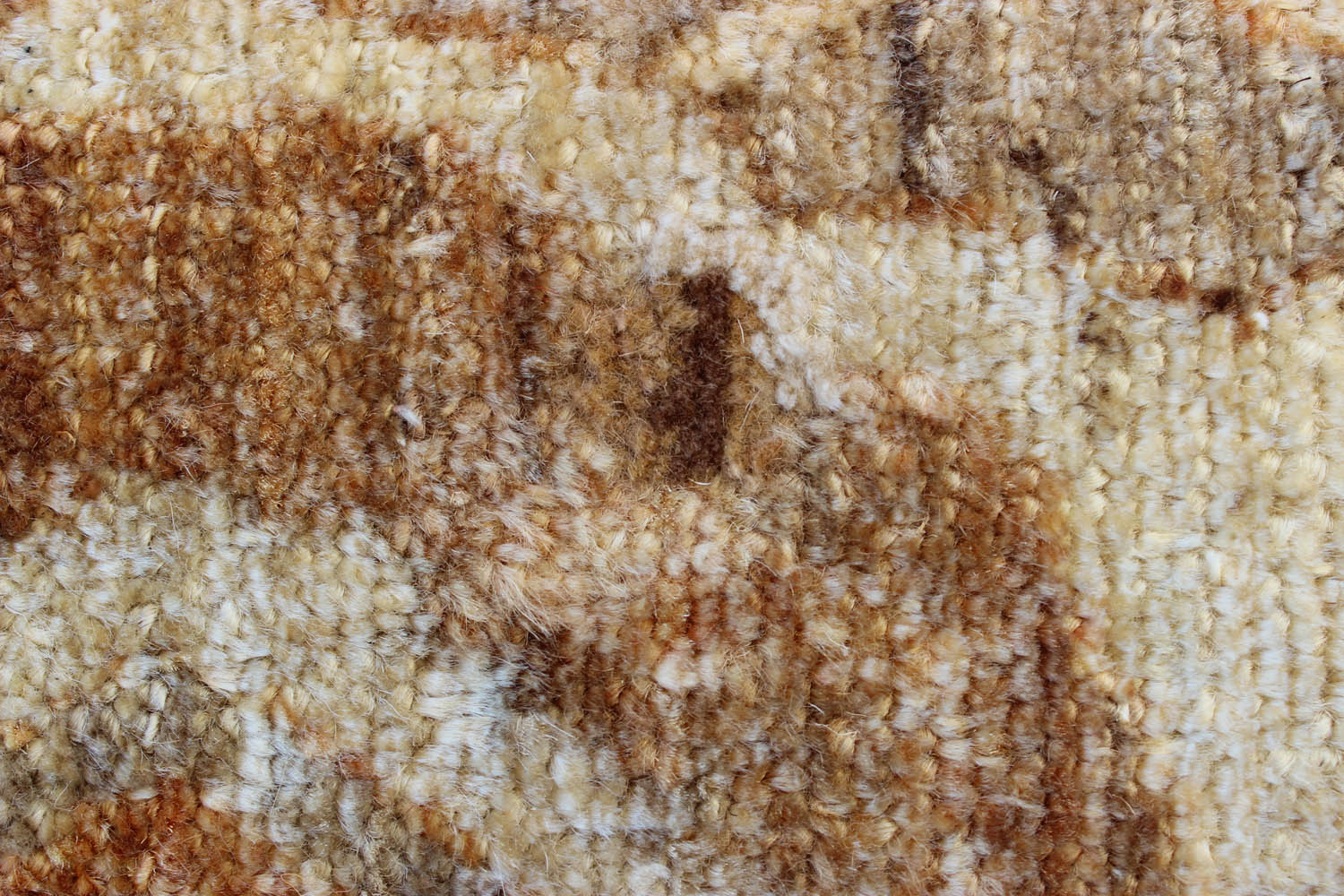
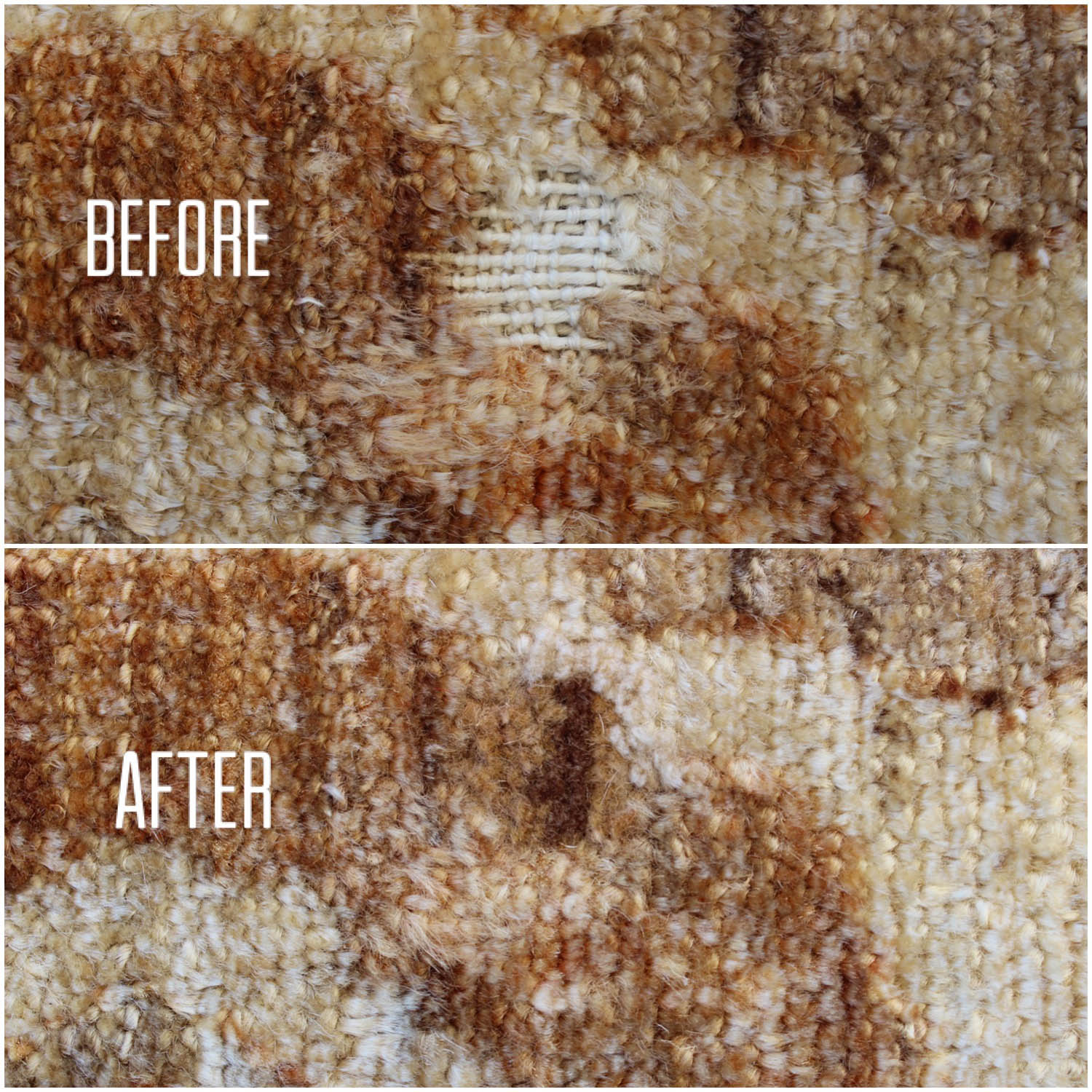
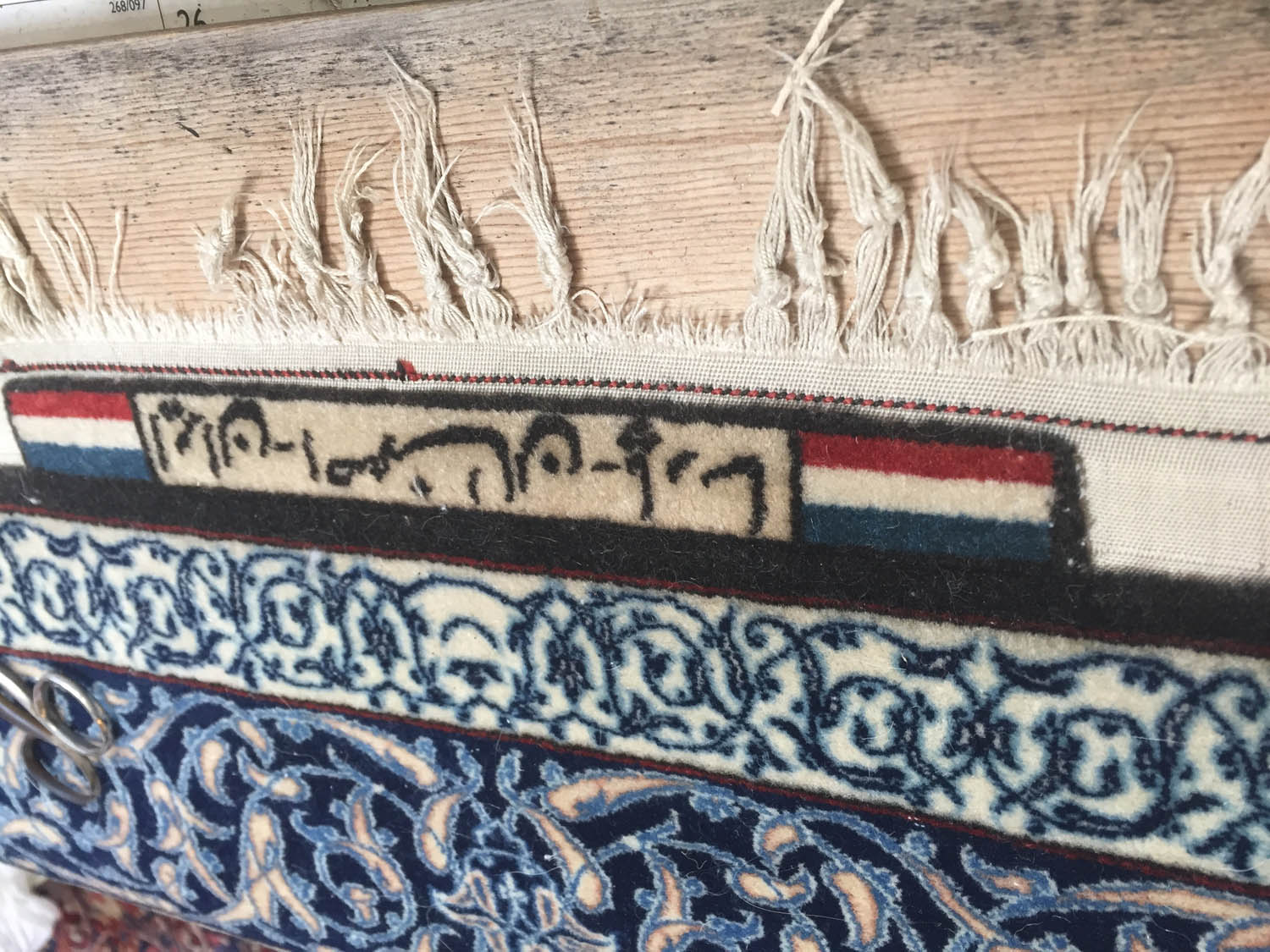
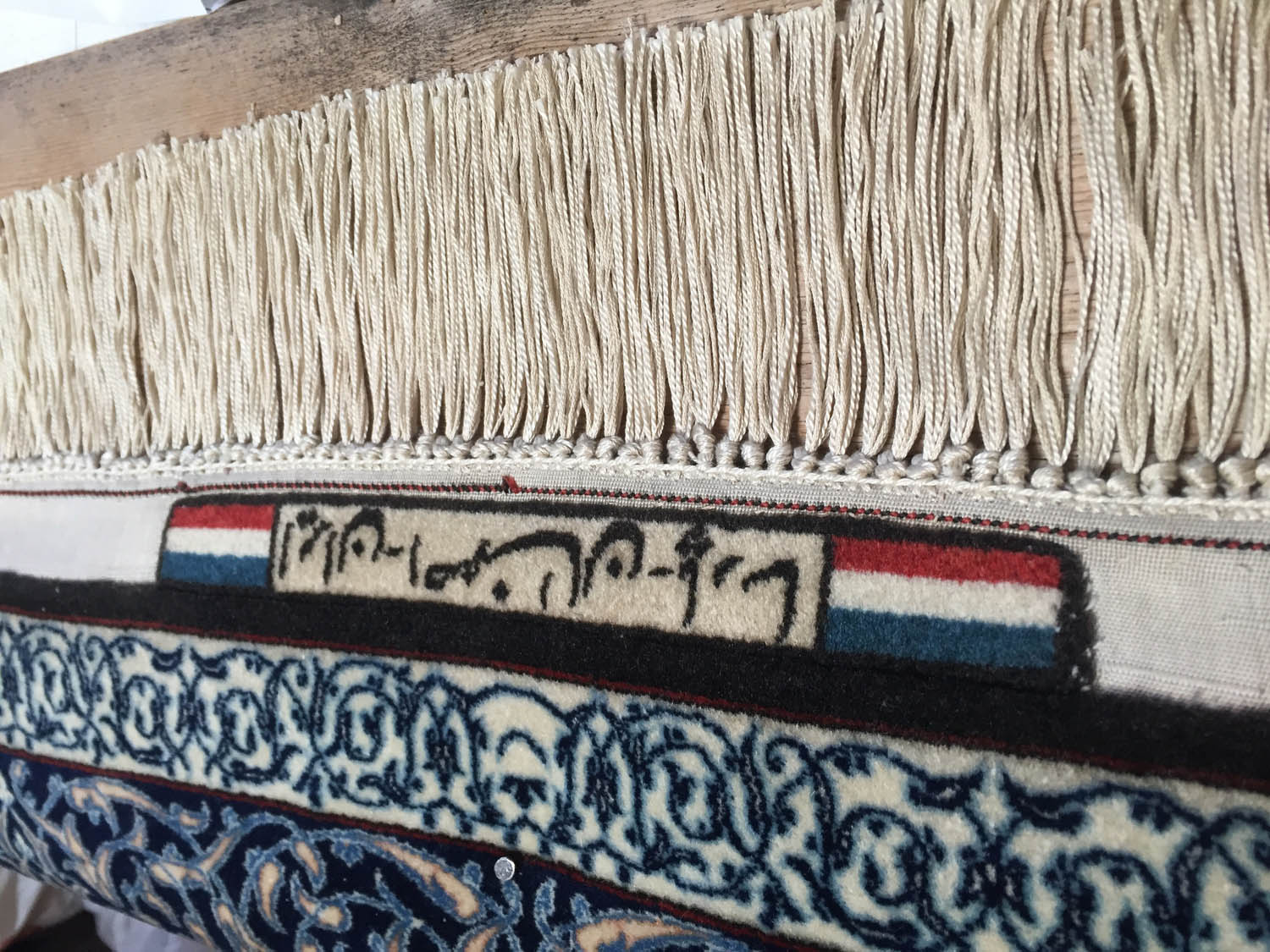
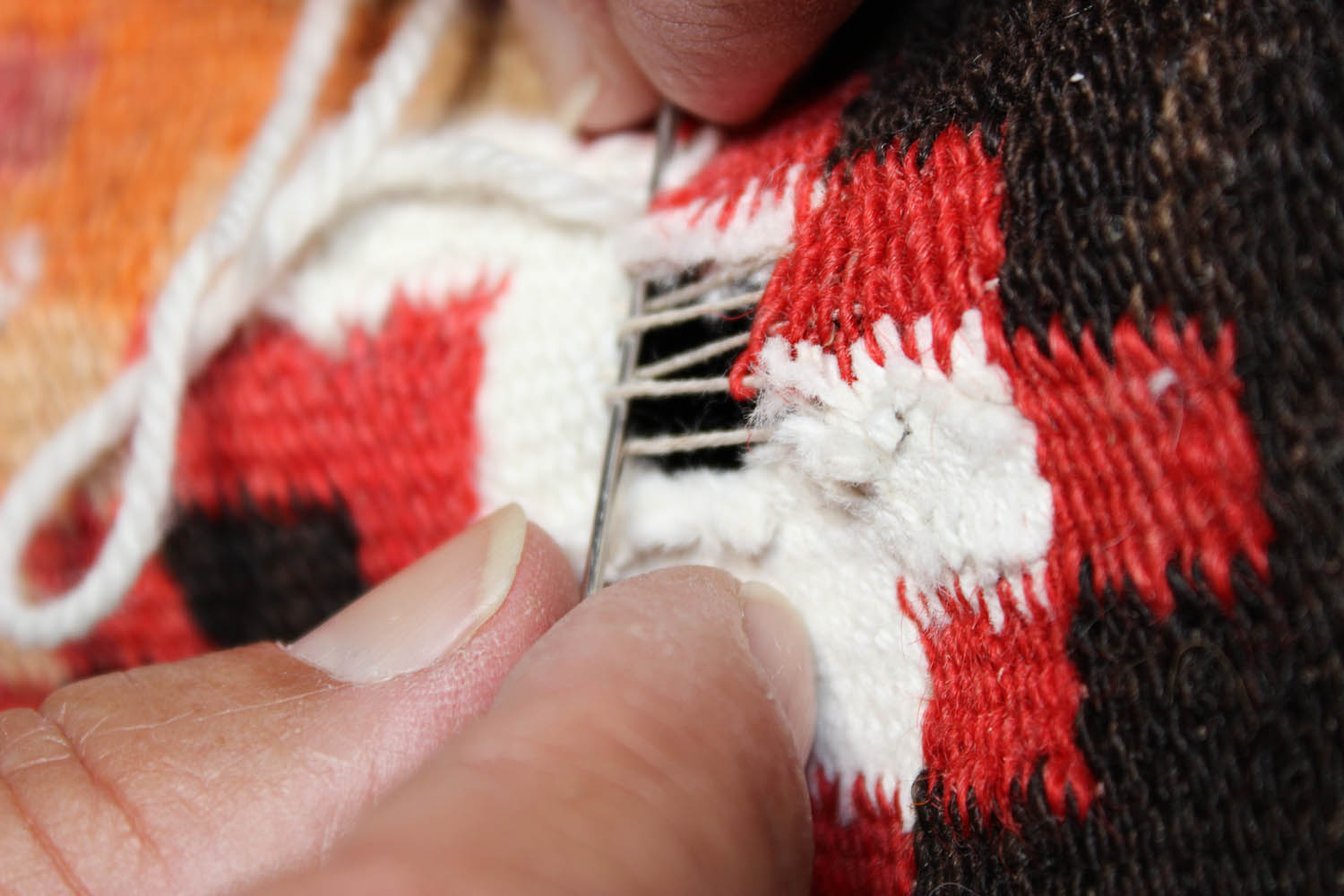
Persian rug repair calls for a weaver, not a seamstress, and that hand skill is the work Zeytounian Rugs was built on. Nicholas Zeytounian set up his bench in San Diego in 1956, and today Anthony and Alexander Zeytounian carry it on as the third generation of the family trained in this work. A Persian rug is tied one knot at a time onto a warp and weft foundation, so a repair that lasts has to be built the same way: new knots set into the weave, not glue, tape, or a line of machine stitching laid over the top.
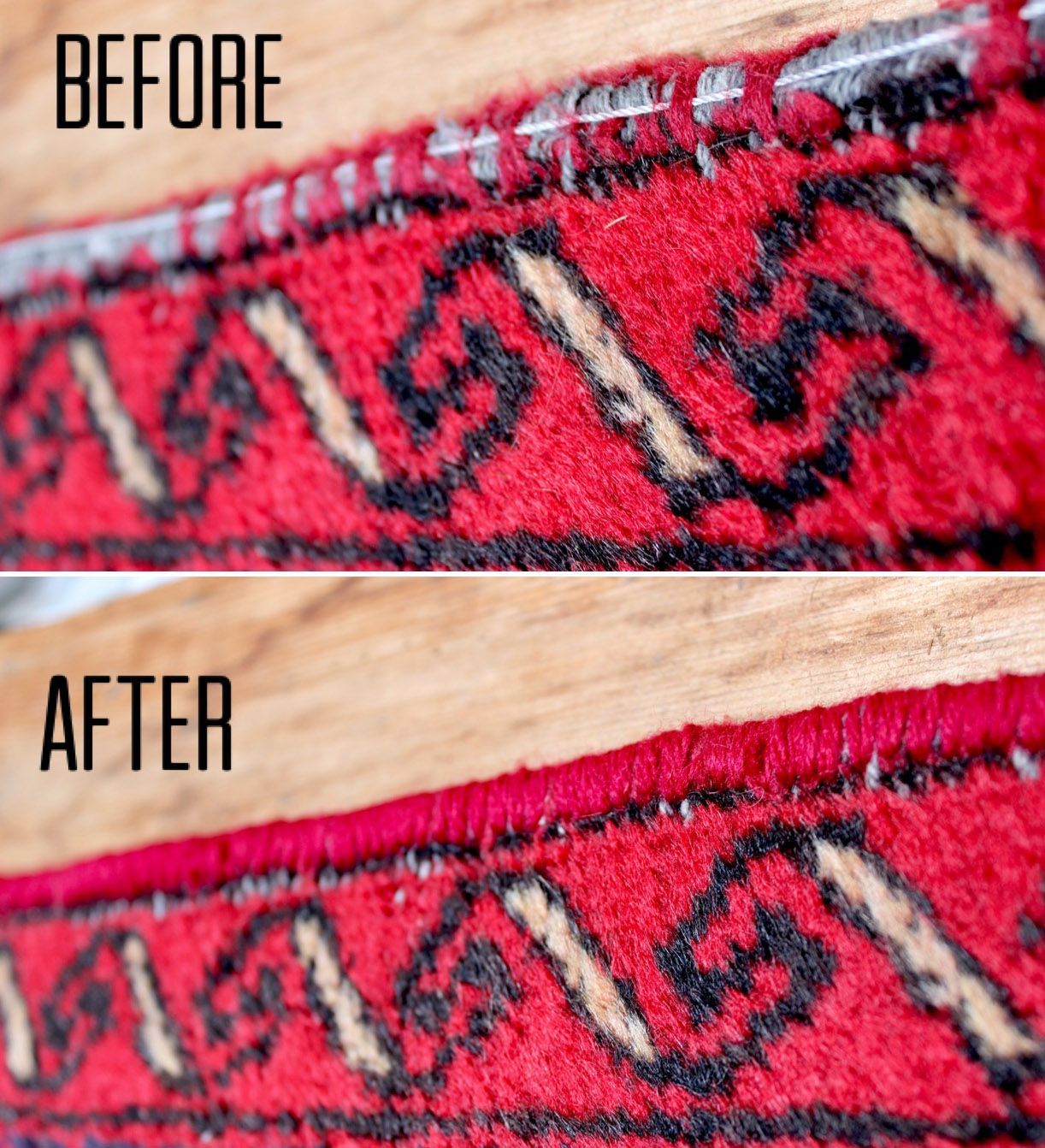
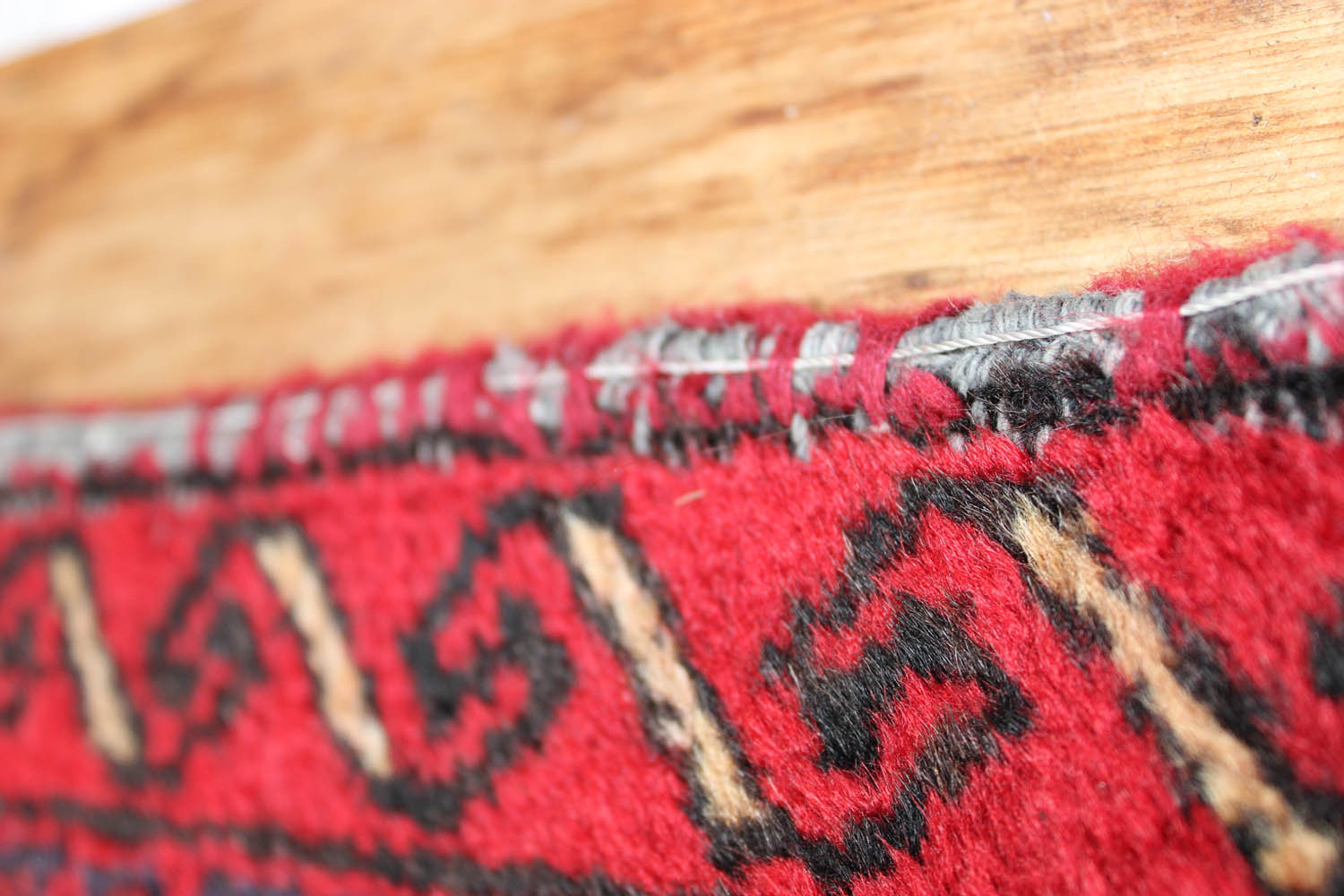
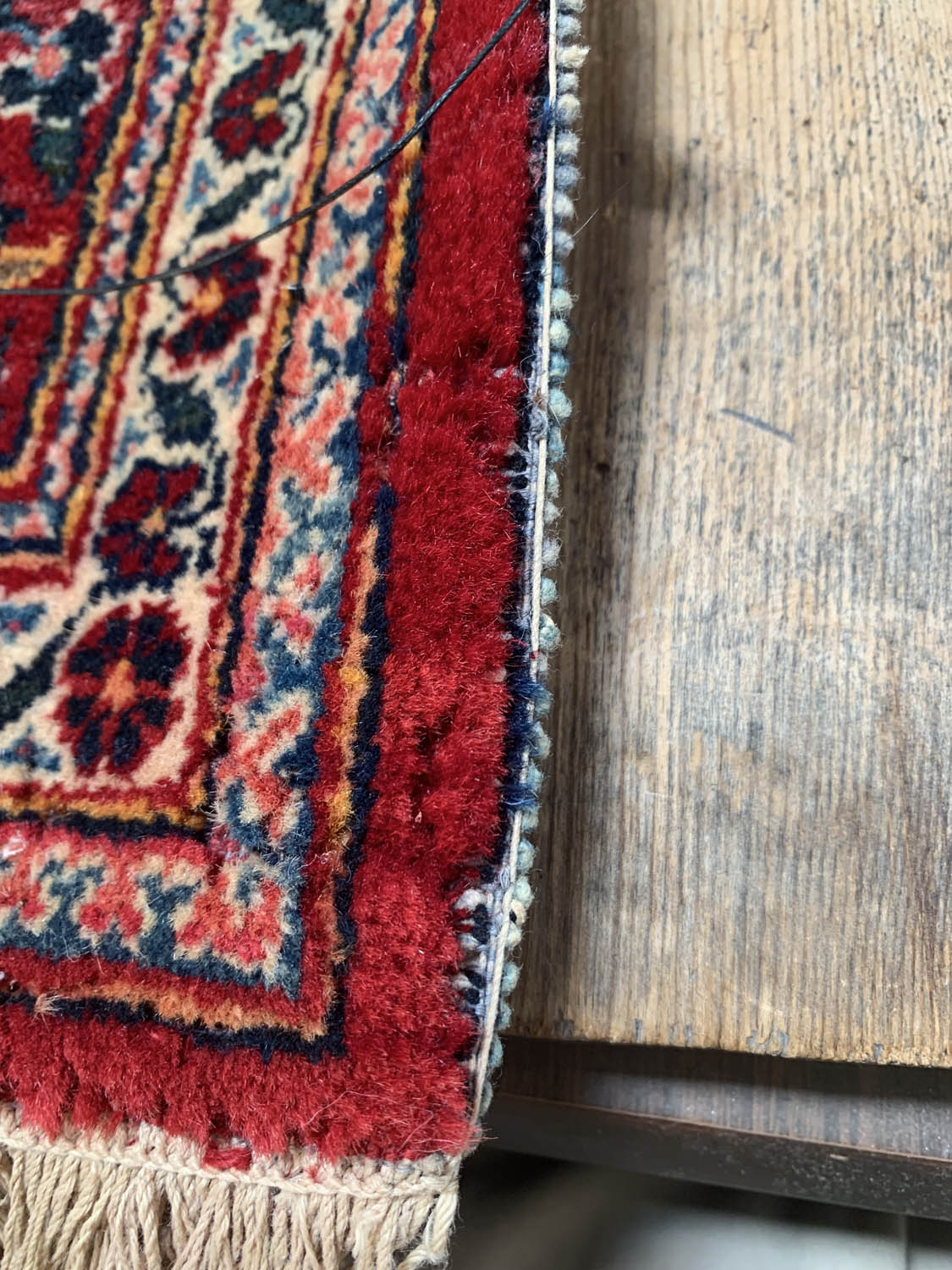
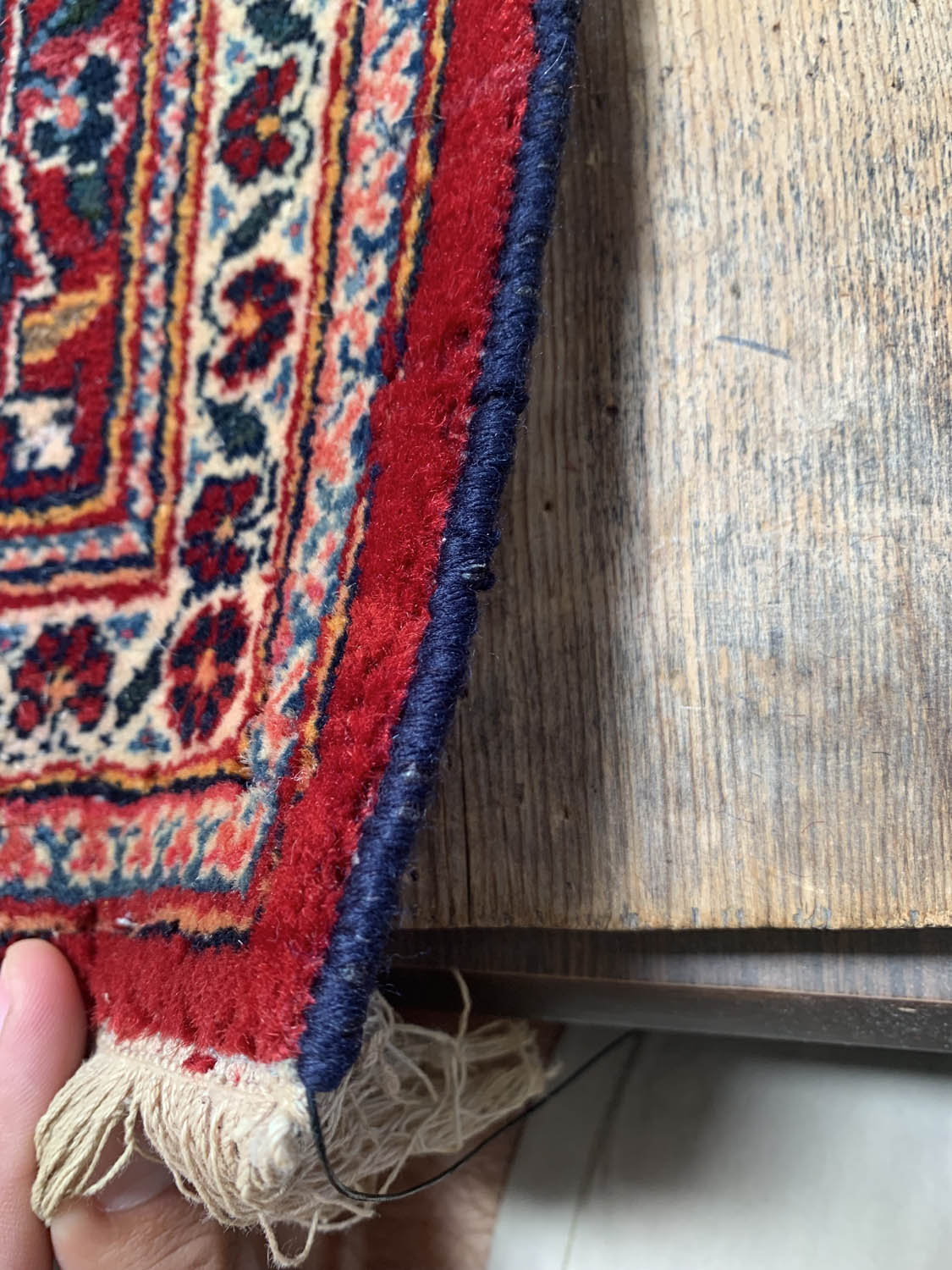
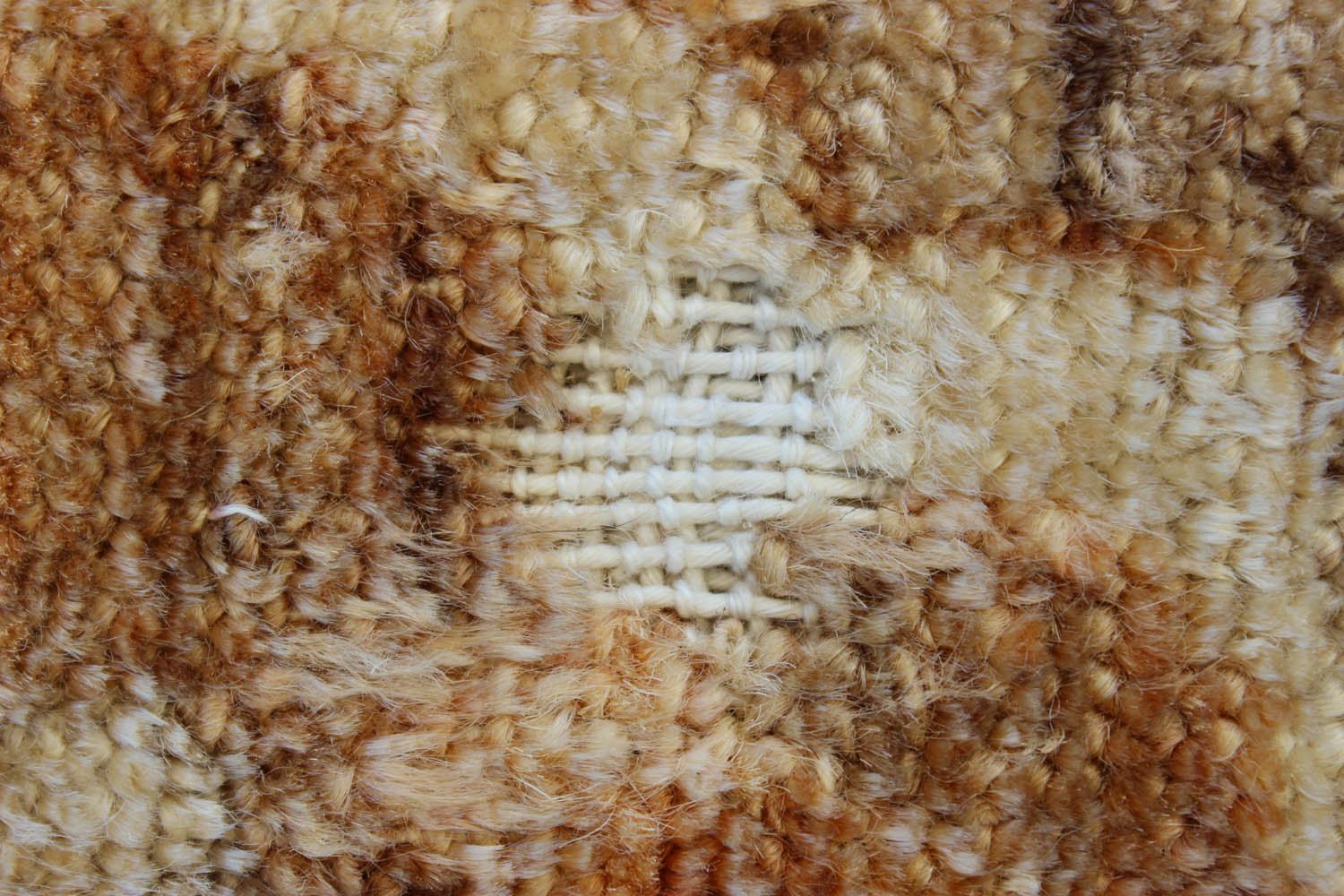
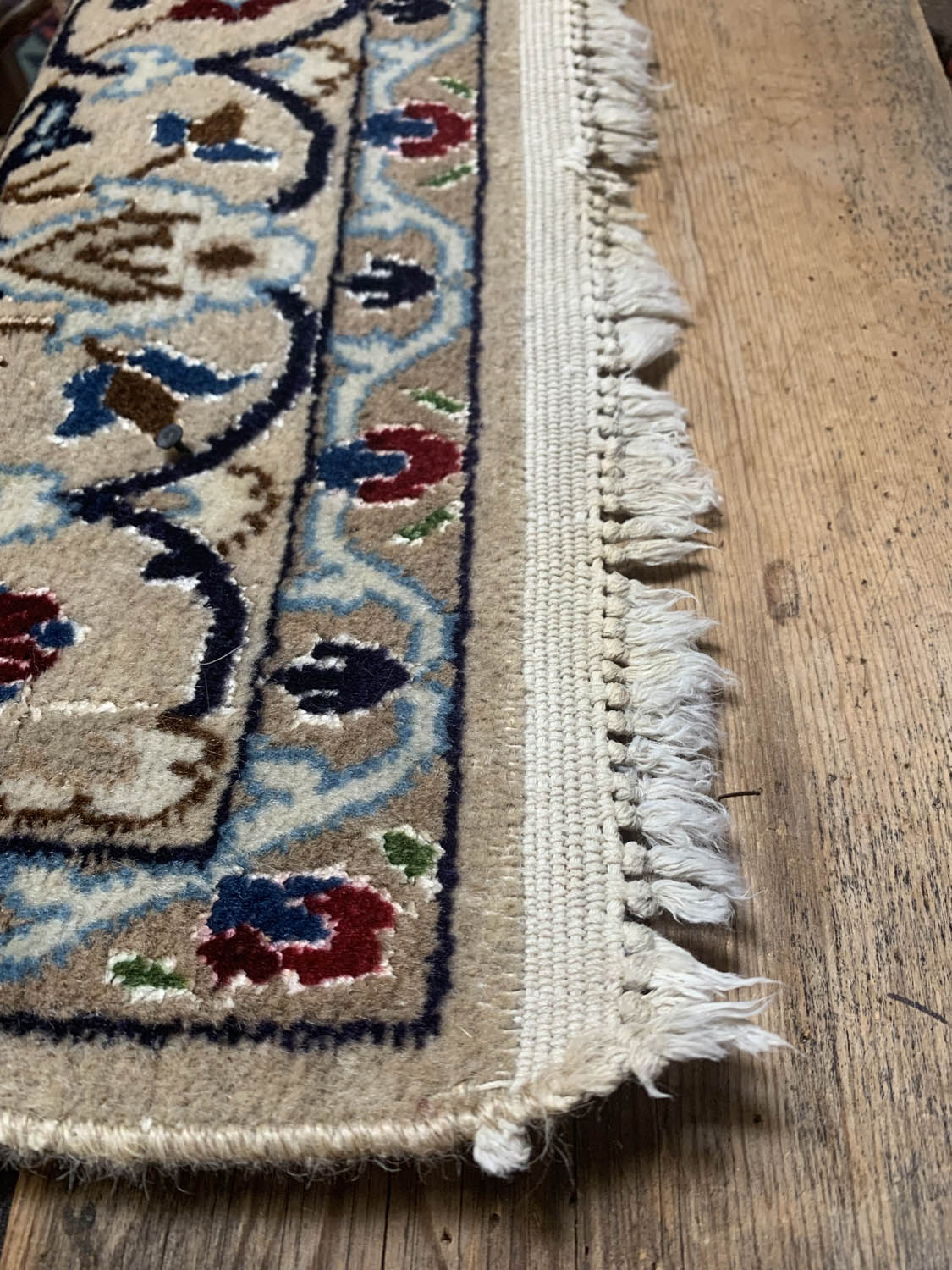
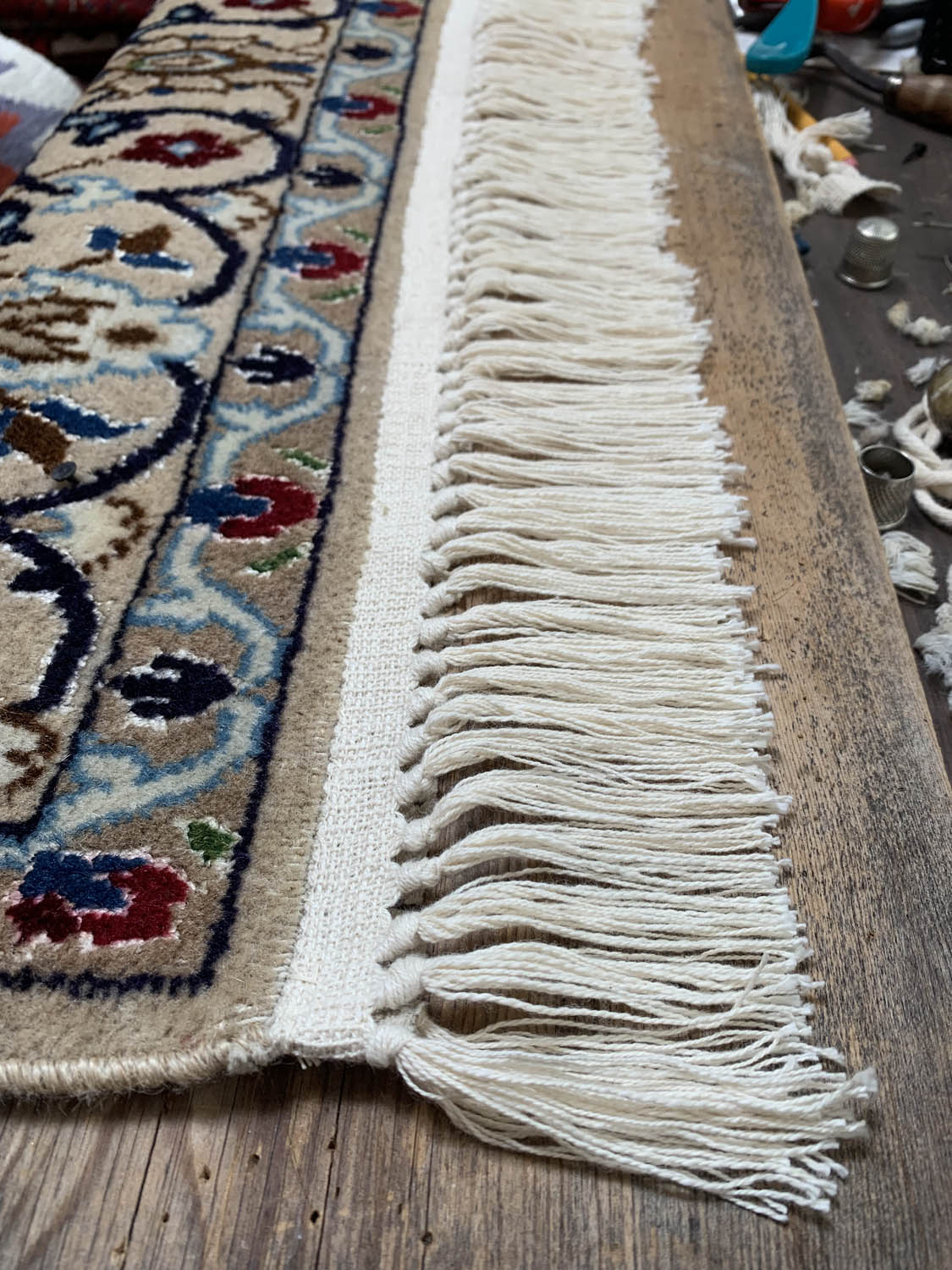
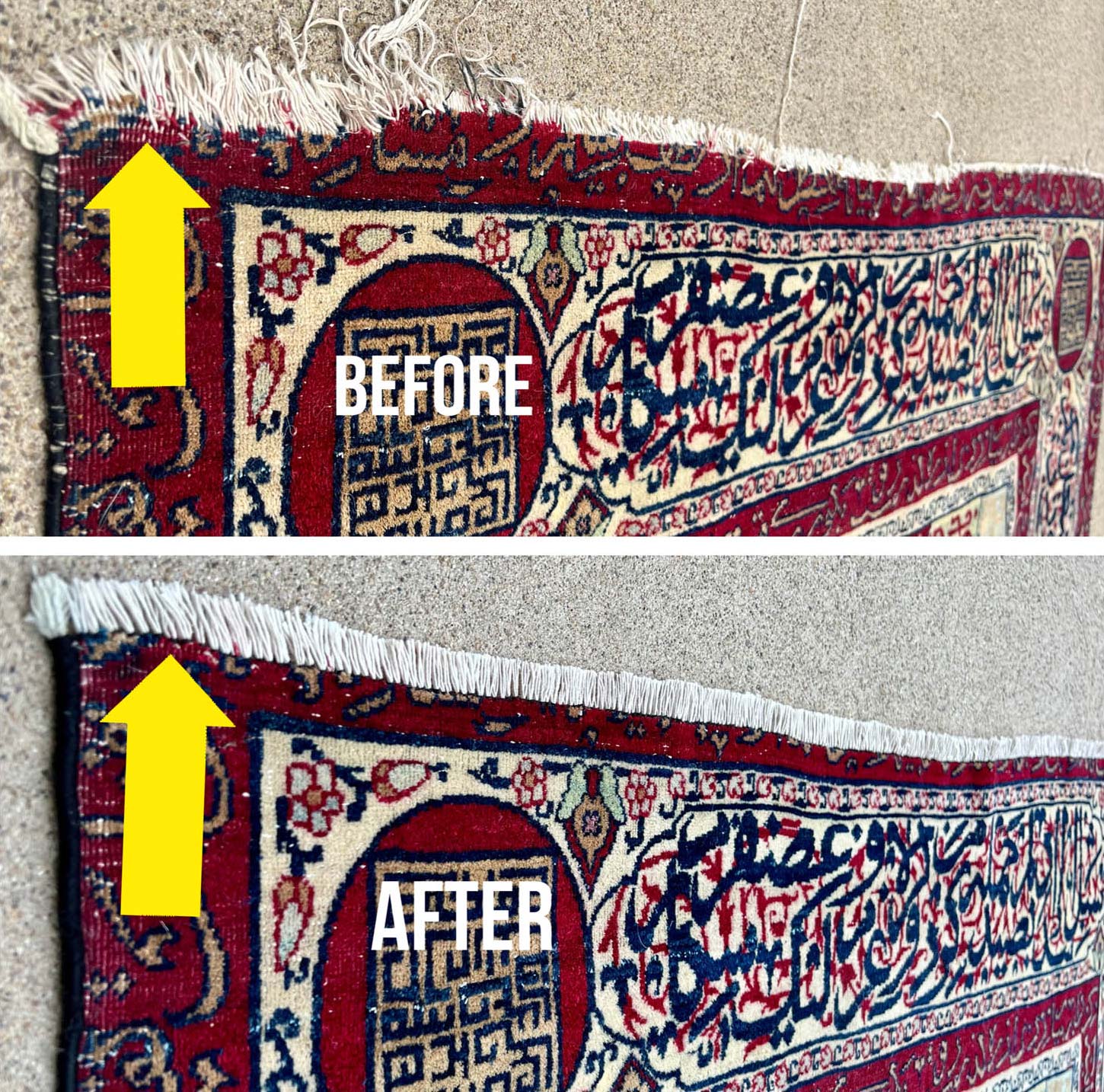
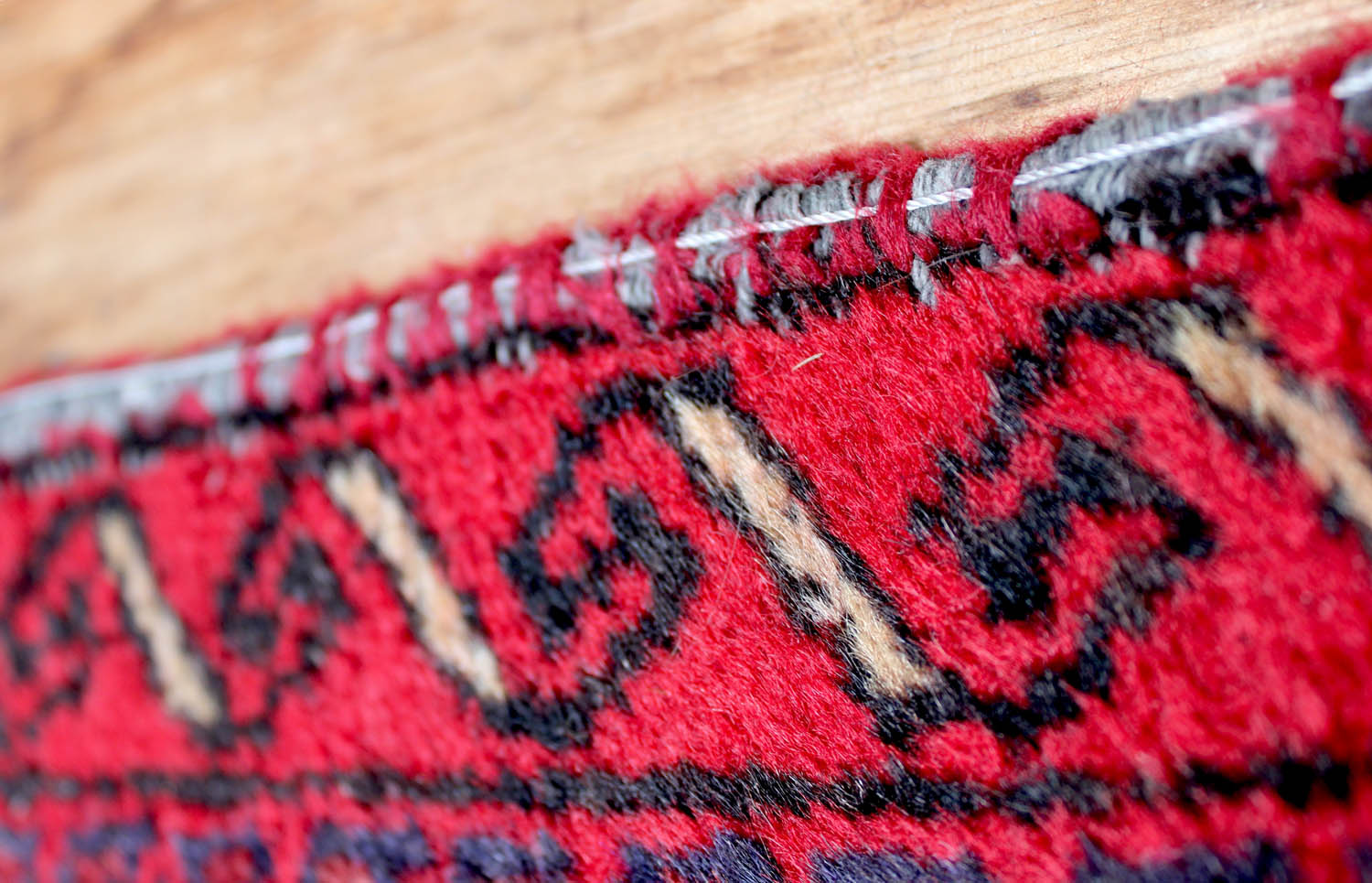
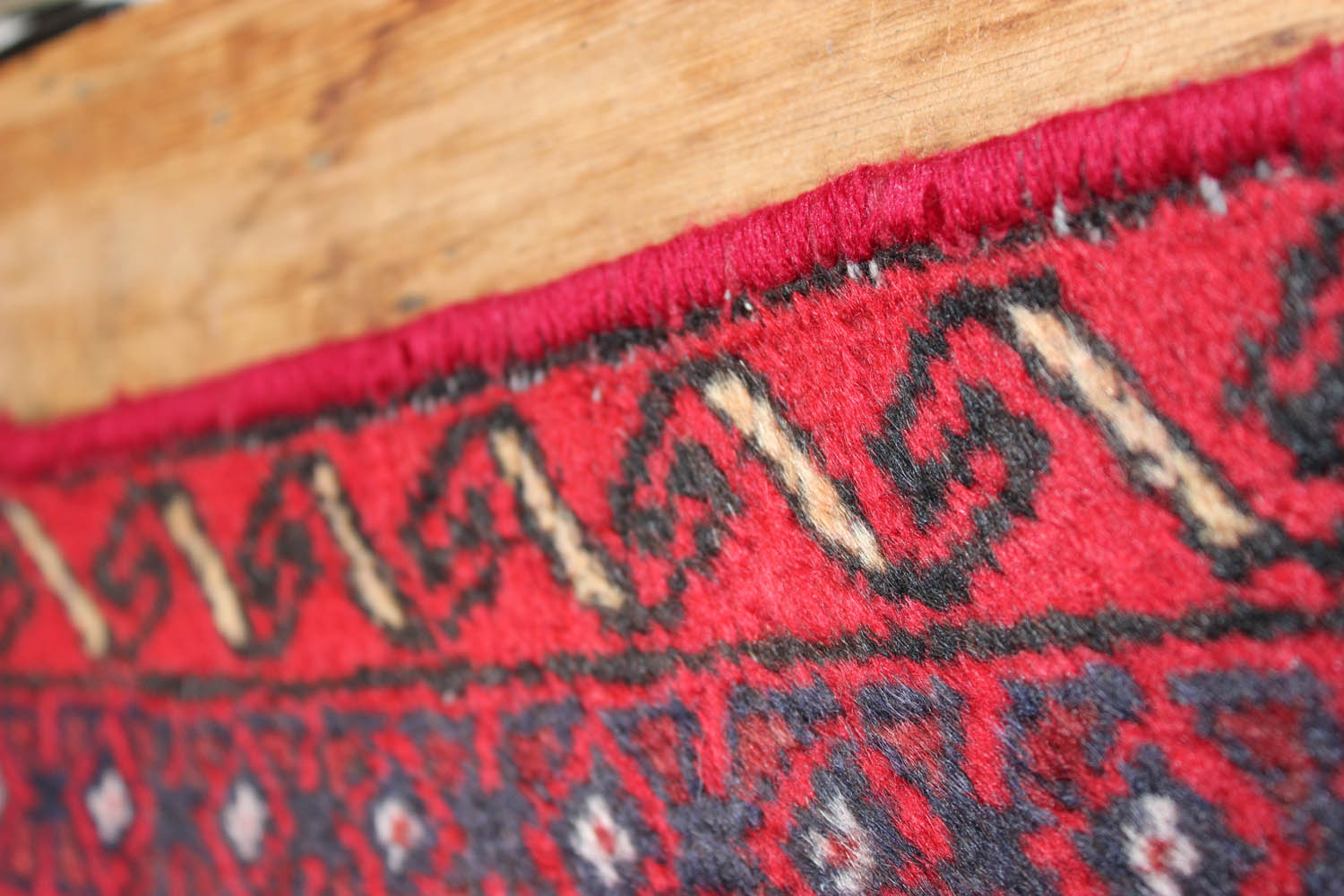
Damage on a hand-knotted rug almost always traces back to the structure. A worn field thins until the foundation shows through. Moths open a hole down to the warp. The selvage splits and the sides start to unravel. A hard crease along an old fold snaps warp threads and leaves a weak line across the rug. Each of these is a different repair, and each one has to respect how a Persian rug is put together.
Reading the Weave First
Before we touch a rug we read it. We look at the weave to place its style, whether it carries the fine density of a Tabriz or Kashan, the curved detail of an Isfahan, or the bolder geometry of a Heriz. We check the knot count, whether the pile is wool or silk, and whether the dyes are stable. That reading tells us how to rebuild the damaged area so it matches the original hand rather than fighting it.
We also see a lot of rugs that were repaired badly somewhere else, overstitched by machine, patched with the wrong yarn, or glued along a tear. Corrected honestly, most of those can be reopened and rewoven properly. Pickup and delivery are available anywhere in San Diego County, and so is the estimate. For non Persian pieces and general work, our full rug repair services in San Diego cover the same bench.